The Unexpected Home
Why the spaces we live in should surprise us.

The most memorable homes are the ones that reveal something surprising at every turn.
When I was in my twenties, I became slightly obsessed with old movies, not for the stories but for the homes.
The Smith family house in Meet Me in St. Louis.
Gull Cottage in The Ghost and Mrs. Muir.
The warm apartment in I Remember Mama.
These were movie sets, of course. But they reflected something very real about the homes people actually lived in during that era. The spaces in those films carried forward decorative traditions from earlier styles like Art Nouveau and Art Deco. Walls were rarely blank. Woodwork had presence. Artwork, mirrors, glass, fabrics, and textures were simply part of everyday living.
Earlier generations did not seem nearly as afraid of personality in their homes as we sometimes are today.
What I noticed most in those rooms was not just the objects themselves but the layering. Patterned rugs. Lamps casting warm light across wood and fabric. Wallpaper, framed artwork, glass, metal, woven textures. Materials interacting with one another in ways that made the room feel alive.
Once I started noticing that warmth, I began noticing its absence.
By the time I was paying closer attention to homes around me in the 1980s and 90s, many interiors felt very different. Walls were often blank. Furniture looked like it had been purchased all at once from the same showroom. Rooms were perfectly nice but strangely restrained.
Somewhere along the way we traded craftsmanship and detail for speed and convenience. Houses became quicker to build, more standardized, and a little more off the shelf. As the details disappeared, so did some of the personality.
The question that stayed with me was simple.
Why not?
When I bought my first house in the late 1980s, I decided to experiment.
The living room became emerald green and purple. Before anyone raises an eyebrow, those colors sit perfectly across from each other on the color wheel. The couch was a beautiful purple faux velvet thing that I absolutely loved.
I did not have money for original artwork or designer furniture, so I improvised. I found interesting prints and framed them in ways that made them feel intentional. I filled the walls. I played with color and texture.
It was not perfect.
But it had something many homes seem to lack today.
Warmth.
Over the years I have visited a lot of homes, sometimes as a designer and sometimes simply as a curious observer. I have also spent a fair amount of time watching people speak on YouTube or Zoom from somewhere inside their houses.
And I have to confess something.
Before I even listen to what they are saying, I almost always notice the wall behind them.
Very often there is nothing there.
Just a blank wall.
Blank walls are usually the first thing I notice when I walk into a house.
Now I am not talking about clutter. Not the kind of home where every surface is filled with dusty knickknacks and nothing has a place. That is not warmth. That is just accumulation.
What I am talking about is intentional personality.
Art on the walls.
Objects collected from travels.
Textures layered together such as glass, steel, fabric, and woven materials.
Photographs that mean something to the people who live there.
Even small details matter. Wall plates, for example. They appear in every room of a house, yet they are almost always the same blank white plastic. Why not make them interesting? Why not create a quiet thread of surprise that runs through a home?
The most interesting homes I have walked into always seem to share a few things in common. There is art on the walls. There are layers of texture and color. There are objects that clearly belong to the people who live there.
A shell collected on a beach.
A photograph from a place they once lived.
A strange piece of metal that carries a story from decades earlier.
These things create warmth.
And warmth, it turns out, is not something you can buy as a set in a furniture showroom.
Warmth comes from curiosity.
It comes from the willingness to try something unexpected, to bring an object home because it means something, and to hang art even if it is not expensive or perfect.
Most homes are probably one bold decision away from becoming interesting.
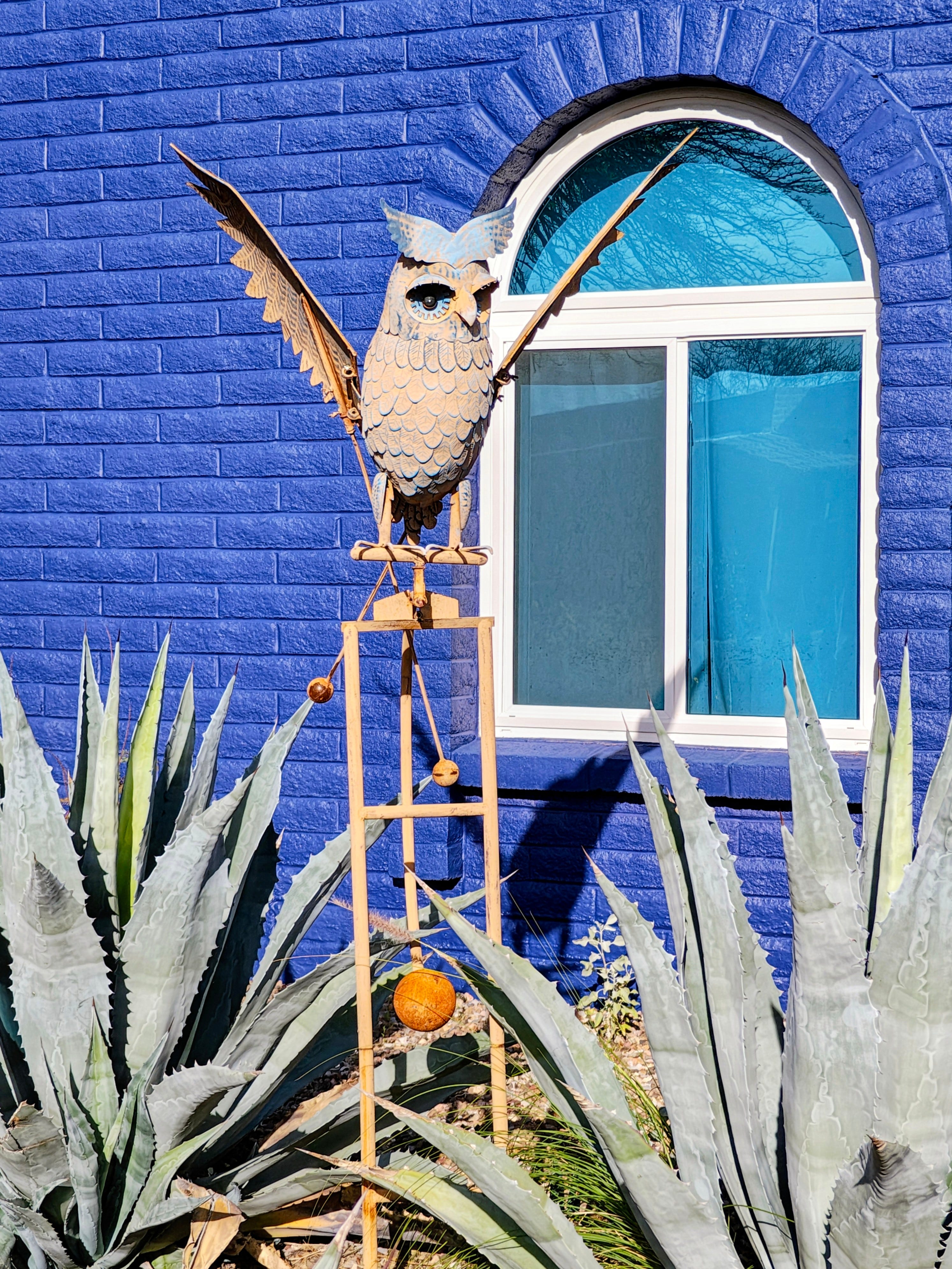
Which brings me to the idea behind this little field journal.
The Unexpected Home is a place to explore how the spaces we live in can become warmer, more personal, and more interesting than the formulas we have been given.
Maybe the goal is not to redesign an entire house.
Maybe it starts with noticing a blank wall. A forgotten corner. A small object from a trip that deserves a place where it can be seen.
Homes do not become interesting all at once.
They become interesting one unexpected decision at a time.
Because in the end, a home should be your Shangri-La. A place that restores you, reflects your life, and welcomes you back every time you walk through the door.
If these reflections resonate with you, consider subscribing to The Unexpected Home.